

The Red Secret to a 20-Year-Old Heart: Why You Need Beetroot
It lowers blood pressure, boosts brain power, and acts as natural rocket fuel for athletes. Dr. Carlos Jaramillo explains the science behind the "vascular booster" hiding in your pantry.
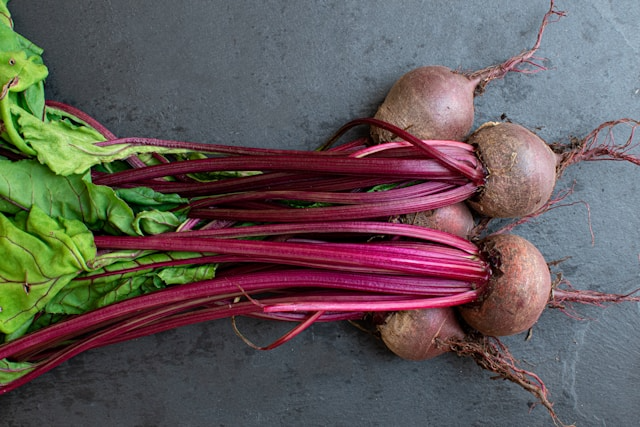
What if I told you there is a food that is cheap, easy to find, and scientifically proven to rejuvenate your arteries? You might think of some rare Amazonian berry or an expensive supplement.
But the answer is much simpler (and redder): Beetroot (or "remolacha").
According to Dr. Carlos Jaramillo, this humble root vegetable is not just a salad ingredient; it is a "Vascular Booster." Packed with unique compounds that dilate blood vessels and protect your mitochondria, beetroot might be the closest thing we have to a fountain of youth for your heart and brain. In this guide, we break down the science and how to use it without getting bored.
The Science: Why It Works
The power of beetroot lies in Inorganic Nitrates. When you eat them, your body (specifically the bacteria in your mouth) converts them into Nitric Oxide.
Why does this matter? Nitric Oxide is a signaling molecule that tells your arteries to relax and open up (vasodilation). This discovery was so profound it won the Nobel Prize in Medicine.
- Lower Blood Pressure: By widening arteries, blood flows more easily, reducing the strain on your heart.
- Better Brain Flow: More blood to the brain means better focus and memory preservation.
- Natural "Pump": Athletes love it because it delivers more oxygen to muscles, delaying fatigue.
Your Liver Loves Red
Beetroot contains a powerful compound called Betaine (Trimethylglycine). This is a superhero for your metabolism and liver.
Betaine supports "methylation," a vital biochemical process for repairing DNA and detoxifying the liver. It helps the liver process fats more efficiently, making it a great ally against fatty liver issues.
Plus, it's rich in Betalains, potent antioxidants that reduce systemic inflammation, helping you recover faster from workouts and stress.
Don't Boil Away the Benefits
How you cook it matters. Dr. Jaramillo warns that boiling beetroot for too long destroys the nitrates. Here is the savvy way to consume it:
- ✅ Roasted (The Best): Roast them whole in the oven to concentrate the sugars and preserve the nutrients.
- ✅ Raw or Grated: Add to salads for a crunchy, nutrient-dense topping.
- ✅ Pre-Workout Timing: Eat 200-300g about 2 to 3 hours before training to peak your nitric oxide levels right when you need them.
- ❌ Avoid Mouthwash: Using antibacterial mouthwash right before eating beets kills the bacteria needed to activate the nitrates!
Can't Eat Beets Every Day? We Got You.
Beetroot is amazing because it is rich in Potassium and Magnesium, two electrolytes crucial for your heart and nervous system. But let's be real—eating beets daily isn't for everyone (and the oxalates can be an issue for some).
Get the mineral benefits without the prep time (or the sugar).


