

Is Your Diet Shrinking Your Brain? The Hidden Link Between Sugar and Memory
Forgetting where you put your keys? Dr. Carlos Jaramillo warns: it might not be age. It might be what you ate for breakfast.
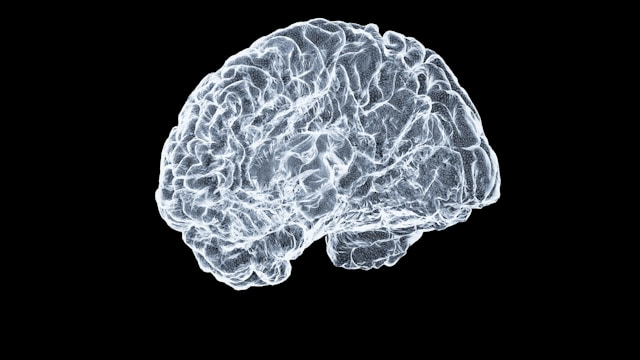
We’ve all been there. You walk into a room and forget why. You lose your train of thought mid-sentence. You feel a heavy "brain fog" settle in after lunch. We often joke that it's just "getting older" or "too much stress."
But Dr. Carlos Jaramillo has a different diagnosis: Glucotoxicity.
In his latest analysis, he reveals a startling truth: cases of dementia and cognitive decline are skyrocketing, and they are intimately linked to our modern, sugar-filled diets. In fact, scientists are now referring to Alzheimer's disease as "Type 3 Diabetes."
The rollercoaster of glucose spikes you experience daily isn't just making you tired; it is inflaming your brain and shrinking your hippocampus (the memory center). The good news? You can stop it. In this guide, we’ll explore how to eat to protect your mind and the savvy habits that keep your brain sharp.
Your Brain on Sugar: A Dangerous Ride
Imagine your neurons are on a rollercoaster. Every time you eat refined carbs (bread, rice, sugary juices), your blood sugar spikes. Your body responds by flooding your system with insulin to bring it down.
When this happens constantly, your cells become resistant to insulin. They stop accepting the energy they need. In the brain, this Insulin Resistance is catastrophic.
- Starving Neurons: Without insulin working correctly, brain cells can't get fuel. They essentially starve, leading to cognitive decline.
- Brain Shrinkage: High glucose levels are linked to a reduction in brain volume, particularly in the hippocampus, where memories are stored.
- Vascular Damage: Sugar "caramelizes" your blood vessels (glycation), restricting blood flow to the brain.
Are You At Risk? The Early Signs
You don't need to be diabetic to suffer from this. Dr. Jaramillo points out that these symptoms can appear years before a diagnosis:
- ⚠ Post-Meal Sleepiness: Needing a nap right after eating.
- ⚠ Constant Craving: Feeling hungry even though you just ate.
- ⚠ Brain Fog: Difficulty concentrating or "slow" thinking.
- ⚠ Irritability: "Hangry" mood swings when you haven't eaten.

Step 1: Flatten the Curve with Protein
How do we fix this? We flatten the glucose curve. Dr. Jaramillo's golden rule is to prioritize protein, fiber, and healthy fats in every meal—especially the first one of the day.
The Savvy Hack: Never start your day with just fruit or cereal. Break your fast with a high-quality protein shake.
Why Savvy Protein?
Our Veggie and Bone Broth Proteins provide 20g+ of clean protein with zero added sugars. Consuming this before or as your meal acts as a metabolic buffer, slowing down the absorption of any carbohydrates and preventing that brain-damaging spike.
Shop Clean Proteins →Step 2: Sleep to Cleanse the Brain
Dr. Jaramillo emphasizes that a bad night's sleep increases cortisol and makes you more insulin resistant the next day. Essentially, poor sleep makes you pre-diabetic the next morning.
To protect your brain, you must prioritize deep, restorative sleep. This is when your brain's "glymphatic system" washes away toxins and metabolic waste.
The Magnesium Protocol
Magnesium is the key to unlocking deep sleep. It calms the nervous system and regulates cortisol. Taking Savvy Great Day (Magnesium Citrate) or Renew (Magnesium Glycinate) before bed ensures your brain gets the downtime it needs to repair and reset.
Protect Your Mind, One Meal at a Time
Your memory isn't just about the past; it's about your future quality of life. By cutting sugar, prioritizing protein, and sleeping well, you are building a fortress around your brain.


